
Business Continuity and Disaster Recovery for Portland Small Businesses
A disaster for a small business rarely looks like a movie scene. It is a failed server, a ransomware infection, a burst pipe in the office, or a power problem after a winter storm. Business continuity is about keeping the company running; disaster recovery is about getting systems and data back. Both are easier to plan on a quiet day.
Start with what you cannot lose
List the systems and data your business depends on: email, accounting, customer records, shared files, line-of-business applications and phones. Rank them by how quickly you would need each one back. That ranking drives every other decision.
Use more than one copy
A common approach is the 3-2-1 idea: keep multiple copies of important data, on different types of storage, with at least one copy stored off-site or in the cloud. Cloud services such as Microsoft 365 also need their own backup; a subscription is not the same as a backup.
Write down the recovery steps
- Who makes the call to start recovery?
- Where are the credentials and vendor contacts stored offline?
- Which systems come back first?
- How will staff work in the meantime?
Test it
Restore a few files every month and rehearse a larger recovery at least once a year. Testing turns a plan on paper into something you can rely on.
Portland considerations
Think about power and internet outages, winter weather, and whether your only backup sits in the same building as your servers. Clinics and other regulated businesses should also document how backups protect patient or client data.
Related reading
- backup, disaster recovery and business continuity
- Data backup and recovery in Portland: protecting business continuity
- HIPAA security risk analysis for Portland clinics
Talk to a local team
PDX Information Technology Services provides managed IT, cybersecurity and compliance support for small businesses in Portland, Lake Oswego, Beaverton, Hillsboro and Vancouver, WA. Plans start at $100 per user per month (Gold) and $180 per user per month (Platinum). Call 971-331-4871 or book a free assessment.
Get In Touch
Share On Social Media
Other Recent Blog Articles

Shadow AI in Small Business: How to Find It and Fix It in 2026
Shadow AI is the AI your team already uses without IT knowing: personal ChatGPT accounts, free notetakers, and AI browser extensions. Here is how a Portland-area small business can find it without a witch hunt, give people a safer option, and lock down the risky parts in 30 days.
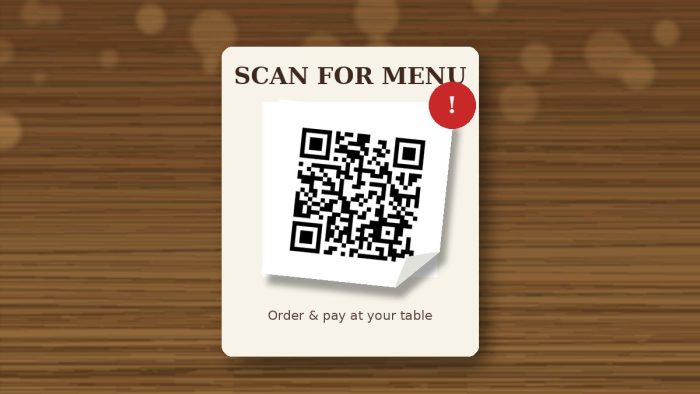
Restaurant QR Code Scams: How a Fake Menu Sticker Steals Your Card
At a lot of Portland restaurants these days, there’s no paper menu. You get a little QR code on a table tent, you scan it, and you order. It’s convenient,…

Hacked? What Portland CPAs, Financial Advisors, and Medical Offices Must Report After a Data Breach (and the Fines If You Don’t)
If you run a CPA firm, tax practice, financial advisory office, or medical clinic anywhere from Hillsboro to Gresham or Wilsonville to Vancouver, WA, a breach starts several reporting clocks…