
MGM properties shuts down after MASSIVE CYBERATTACK
Last updated:
In an age where digital security is paramount, the recent cyberattack on MGM Resorts International serves as a stark reminder of the vulnerability even major corporations face. Starting on September 10, the attack has plunged the hospitality and casino giant into a state of digital disarray, impacting everything from hotel operations to the slot machines on the casino floor.
MGM Resorts, which operates iconic properties like the MGM Grand in Las Vegas, quickly found its main website, online reservations, and a host of in-casino services—including ATMs, credit card machines, and even room keys—rendered inoperable. The widespread nature of the disruption forced the company to take systems offline to contain the issue, leading to a scramble to revert to manual operations. Guests reported significant problems, highlighting the deep integration of technology in every aspect of the modern hospitality experience.
The incident is particularly damaging for MGM due to its dual business model. Not only has its hotel business been severely impeded, but the core of its gambling operations—the casinos—has also been hit hard. The inability to use essential systems like slot machines and credit card processors translates to a direct and substantial financial loss. While the specific details of the attackers’ identity or motive remain undisclosed, the sheer scale of the disruption points to a sophisticated and well-coordinated assault.
This cyberattack is a major financial and logistical disaster for MGM, underscoring the critical importance of robust cybersecurity measures in an interconnected world. For a company that thrives on seamless service and high-volume transactions, this digital siege is a crippling blow that will likely have lasting repercussions.
https://www.bleepingcomputer.com/news/security/mgm-resorts-shuts-down-it-systems-after-cyberattack/
Request an IT assessment
Tell us a little about your business and a PDX IT team member will follow up to schedule an assessment. Prefer to talk? Call 971-331-4871.

About the author: Steve Shaff
Steve Shaff is the owner of PDX Information Technology Services, a managed IT provider he founded in 2020. From the Tualatin office he helps businesses across Portland Metro & Southwest Washington with IT support, cybersecurity and compliance. More about Steve · Contact PDX IT
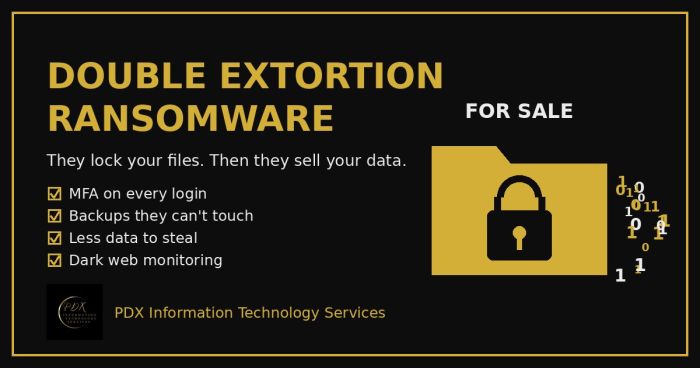
Modern ransomware gangs don’t just lock your files. They copy your data first, then threaten to publish or sell it on the dark web. Here is how double extortion works and what Portland-area small businesses can do before, during and after an attack.
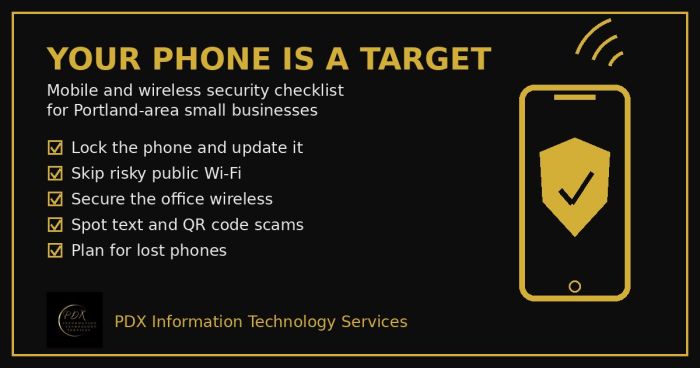
Portland small business mobile security checklist: lock phones, avoid risky public Wi-Fi, secure office wireless, spot text scams and handle lost phones.
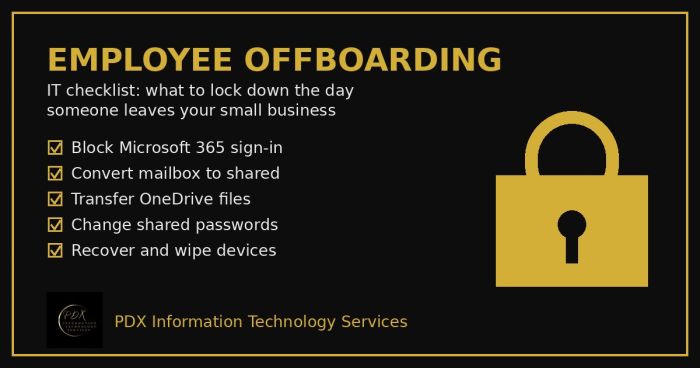
Portland employee offboarding IT checklist: lock Microsoft 365, save the mailbox and OneDrive files, change shared passwords and wipe company devices.